 Activities & Play
 Behaviour
 Childcare
 Children's rights
 Development & Growing Up
 Family, Friends & Relationships
 Feeding Your Baby
 Food & Eating
 Health & Safety
 Mental Health & Wellbeing
 Money & Work
 Online Behaviour & Safety
 Pregnancy & First Days
 School & Education
 Sleep
Sleep

- 2 Fillets (150g) Mackerel
- 1 Tablespoons (3g) Fresh Chives
- 2 Teaspoons (10g) Lemon Juice
- 4 Low fat if possible Tablespoons (160g) Natural Yogurt
- 1 Pinch (1g) Ground Black Pepper
- 4 Portions (120g) Lettuce
- 2 Medium sized (170g) Tomatoes
- 2 cut these about an inch long Portions (120g) Cucumber
- 8 (104g) Round Oatckaes
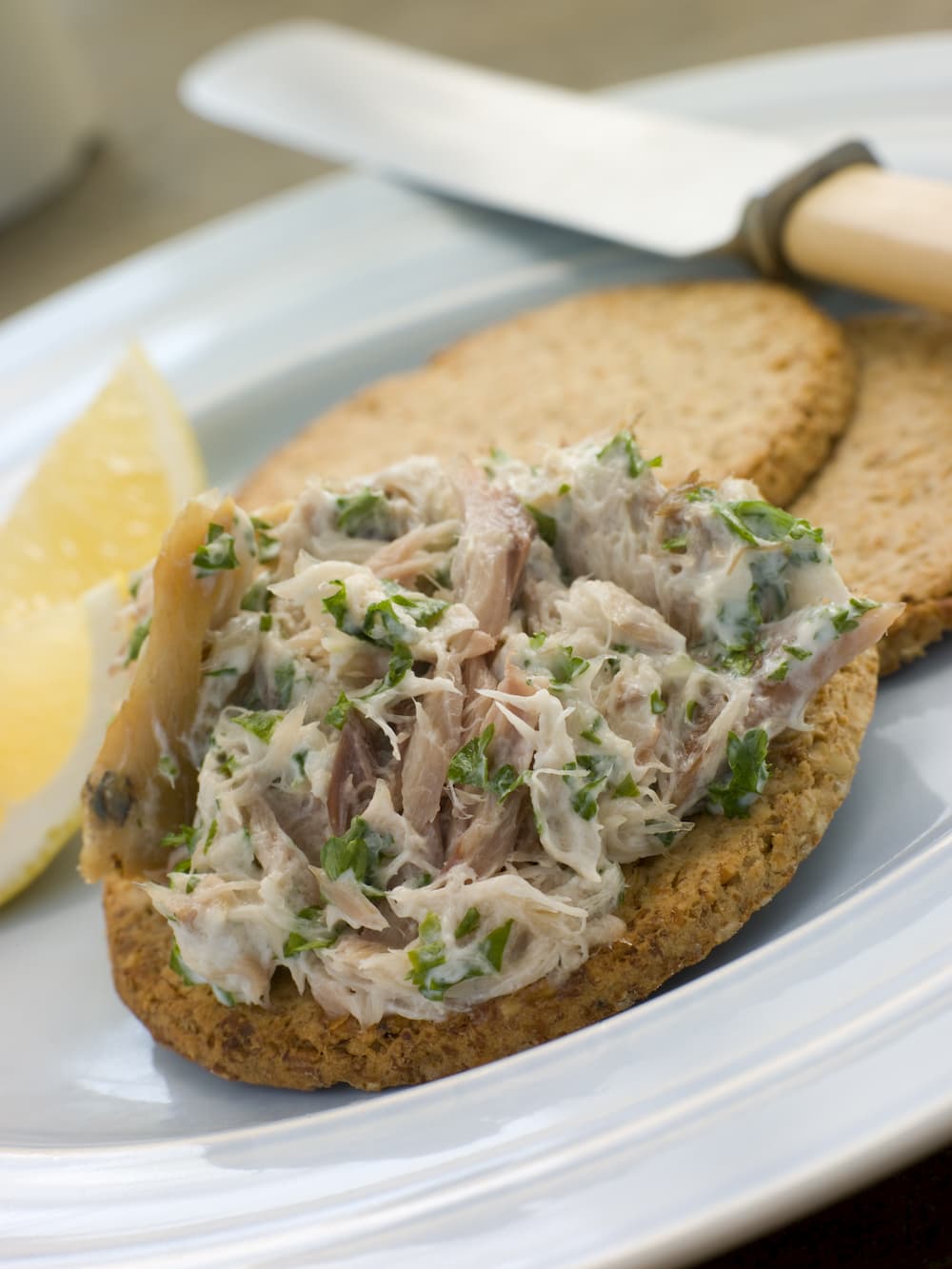
Ingredients
Allergy Disclaimer
Always check the label of each ingredient for allergy warnings.
Method
- Skin and chop the mackerel fillets and finely chop the chives
- Mix together the mackerel, chives, lemon juice and yogurt in a large bowl until blended. Season with black pepper
- Wash and shred the lettuce, and wash and slice the tomatoes and cucumber. Mix these salad ingredients together
- Serve the mackerel pate with the oatcakes and the prepared side salad
Time Saver Tips
Make the mackerel pate in advance and store in the fridge until ready to eat.
Cost Saver Tips
A bottle of lemon juice is a useful addition to your store cupboard - cheaper than buying fresh lemons!
Tips for Kids
Get them to help with mixing and blending the mackerel, chives, lemon juice and yogurt mixture.
Nutritional Information
Based on a single serving of 209g (% of an adult's reference intake)
Energy
277 kcals ( 14 %)
1,157 kJ ( 14 %)
Fat
4 g ( 20 %)
Saturates
19.8 g ( %)
Sugar
5.7 g ( 6 %)
Salt
1.6 g ( 26 %)
Detailed nutritional information
| Per 100g | Per 209g serving | |
|---|---|---|
| Energy Kcals | 133 | 277 |
| Energy Kj | 554 | 1,157 |
| Protein | 6 g | 12.6 g |
| Total Fat | g | g |
| Saturated Fat | 1.9 g | 4 g |
| Carbohydrates | 9.5 g | 19.8 g |
| Total Sugars | 2.7 g | 5.7 g |
| NSP Fibre | 0.5 g | 1 g |
| Sodium | 303 mg | 632 mg |
| Salt | 0.8 g | 1.6 g |
Find out about nutritional labelling
Nutrition labels on the front of packaging
- Most of the big supermarkets and many food manufacturers display nutritional information on the front of pre-packed food.
- Front of pack nutrition labels provide information on the number of grams of fat, saturated fat, sugars and salt and the amount of energy (in kJ and kcal) in a serving or portion of a recipe.
- The labels also include information about reference intakes (expressed as a percentage) which are guidelines about the approximate amount of particular nutrients and energy required for a healthy diet.
- The colour coding tells you at a glance if the food has high (red), medium (amber) or low (green) amounts of fat, saturated fat, sugars and salt.
- The more greens on the label, the healthier the choice
- Amber means neither high nor low, so you can eat foods with all or mostly ambers on the label most of the time.
- Reds on the label means the food is high in that nutrient and these are the foods we should cut down on. Try to eat these foods less often and in small amounts.
Food shopping tips
If you’re trying to decide which product to choose, check to see if there's a nutrition label on the front of the pack. This will help you to quickly assess how your choices stack up. You will often find a mixture of red, amber and green colour coding for the nutrients. So when you're choosing between similar products, try to go for more greens and ambers and fewer reds if you want to make a healthier choice.
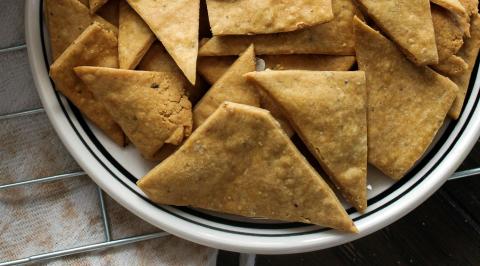
Baked Tortilla Chips and Dips
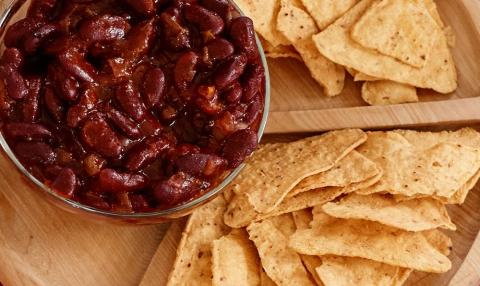
Bean and Cheese Nachos
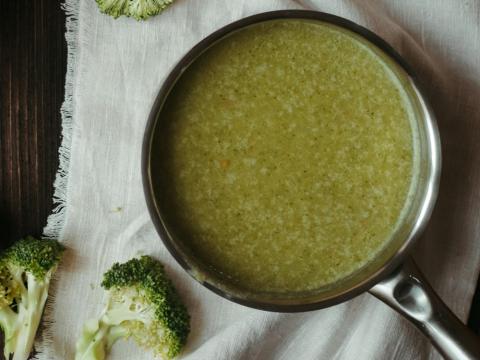
Broccoli Soup
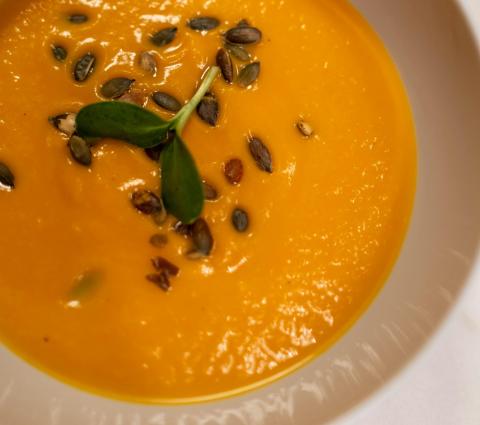
Butternut Squash Soup
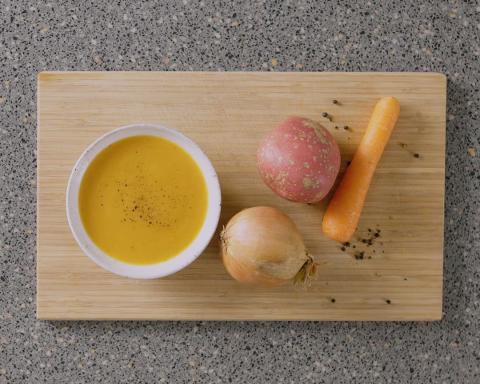
Carrot Soup
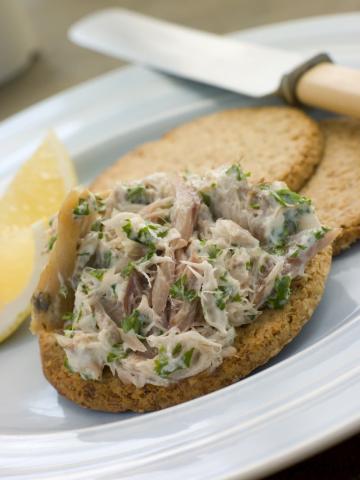
Chive and Mackerel Pate with Oatcakes and Side Salad
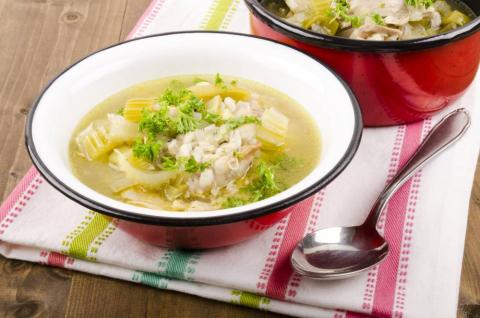
Cock a Leekie Soup
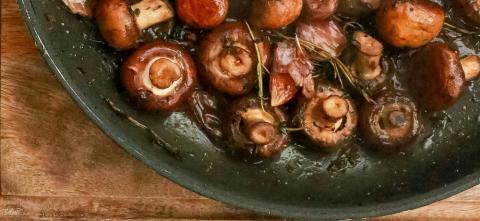
Garlic Mushrooms
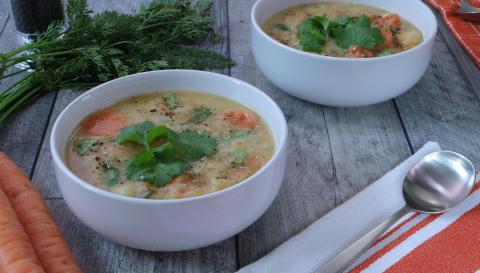
Harvest Vegetable Soup
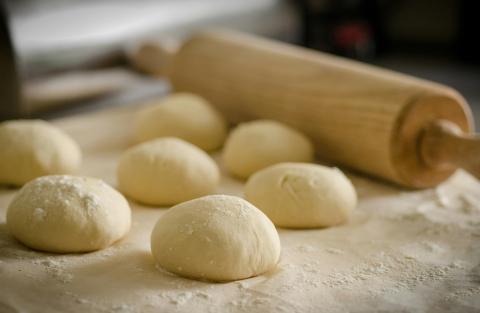
Homemade Dough Balls or Pizza Base
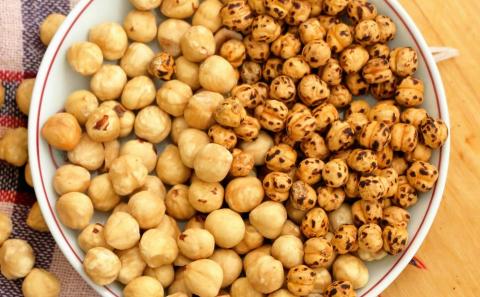
Honey Roasted Snacks
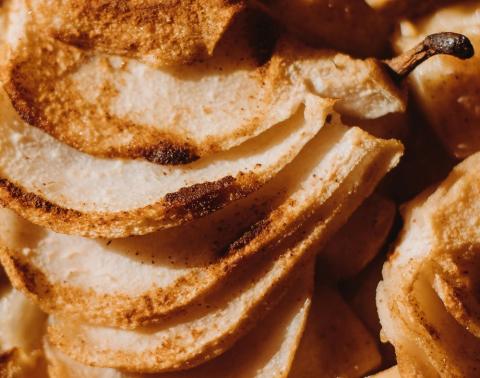
Pear Crisps
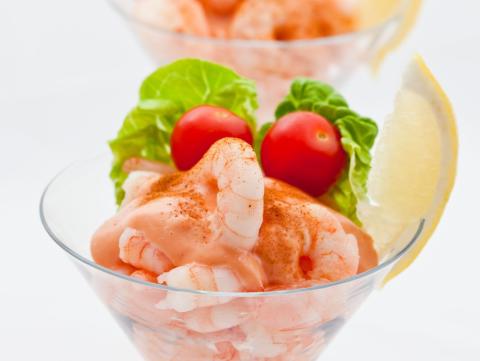
Prawn Cocktail
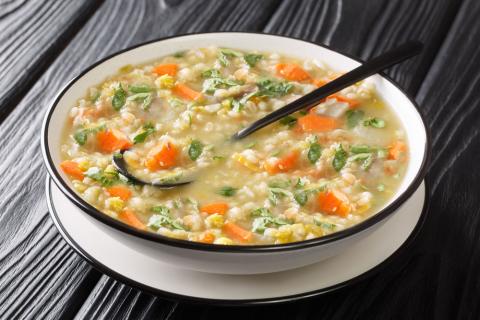
Scotch Broth
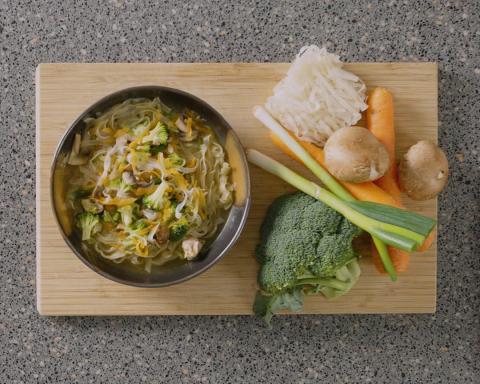
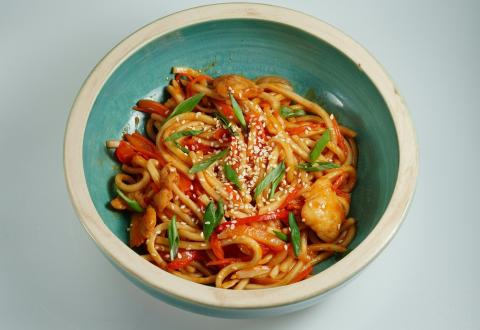
Spicy Chicken Noodle Soup
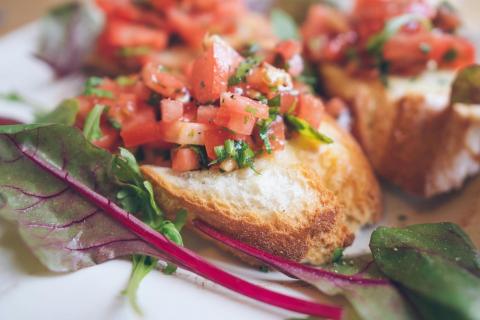
Tomato Bruschetta