 Activities & Play
 Behaviour
 Childcare
 Children's rights
 Development & Growing Up
 Family, Friends & Relationships
 Feeding Your Baby
 Food & Eating
 Health & Safety
 Mental Health & Wellbeing
 Money & Work
 Online Behaviour & Safety
 Pregnancy & First Days
 School & Education
 Sleep
Sleep

- 1 ½ Cups (150g) Dried Pasta
- 1 Tablespoon (10g) Vegetable Oil
- 2 Small Sized (120g) Onions
- 2 Medium Sized (200g) Courgettes
- 2 Medium Sized (160g) Carrots
- 4 (200g) Eggs
- 8 Tablespoons (80g) Reduced Fat Cheddar Cheese
- 2 Teaspoons (2g) Dried Mixed Herbs
- To Taste Ground Black Pepper

Ingredients
Allergy Disclaimer
Always check the label of each ingredient for allergy warnings.
Method
- Cook the pasta shapes as per manufacturers' instructions then drain and rinse with cold water.
- Peel and chop onions, peel and grate courgettes and carrots. Grate the cheese.
- Heat oil in a large frying pan and then cook onions for 3-4 minutes. Remove from the heat and add courgettes, carrots and pasta. Mix well.
- Crack the eggs and beat together in a bowl and then add the cheese. Stir in herbs and add pepper to taste.
- Add eggs to the frying pan with vegetables and pasta then cook on a low heat for 4-5 minutes without stirring to allow base to set. Meanwhile, heat the grill on a medium to high heat.
- Put the frying pan under the grill and cook for 4-5 minutes until set and golden brown.
- Cut into wedges and serve or alternatively allow to cool completely and then wrap wedges in clingfilm and keep in fridge until needed.
Time Saver Tips
Wedges can be made the day before and used in a packed lunch.
Cost Saver Tips
A great way to use any left over pasta.
Tips for Kids
They will enjoy cracking and beating the eggs.
Nutritional Information
Based on a single serving of 4g (% of an adult's reference intake)
Energy
330 kcals ( 17 %)
1,387 kJ ( 17 %)
Fat
4.3 g ( 22 %)
Saturates
35.3 g ( %)
Sugar
5.3 g ( 6 %)
Salt
0.5 g ( 8 %)
Detailed nutritional information
| Per 100g | Per 4g serving | |
|---|---|---|
| Energy Kcals | 130 | 330 |
| Energy Kj | 546 | 1,387 |
| Protein | 7.8 g | 19.8 g |
| Total Fat | g | g |
| Saturated Fat | 1.7 g | 4.3 g |
| Carbohydrates | 13.9 g | 35.3 g |
| Total Sugars | 2.1 g | 5.3 g |
| NSP Fibre | 1.6 g | 4.1 g |
| Sodium | 95 mg | 241 mg |
| Salt | 0.2 g | 0.5 g |
Find out about nutritional labelling
Nutrition labels on the front of packaging
- Most of the big supermarkets and many food manufacturers display nutritional information on the front of pre-packed food.
- Front of pack nutrition labels provide information on the number of grams of fat, saturated fat, sugars and salt and the amount of energy (in kJ and kcal) in a serving or portion of a recipe.
- The labels also include information about reference intakes (expressed as a percentage) which are guidelines about the approximate amount of particular nutrients and energy required for a healthy diet.
- The colour coding tells you at a glance if the food has high (red), medium (amber) or low (green) amounts of fat, saturated fat, sugars and salt.
- The more greens on the label, the healthier the choice
- Amber means neither high nor low, so you can eat foods with all or mostly ambers on the label most of the time.
- Reds on the label means the food is high in that nutrient and these are the foods we should cut down on. Try to eat these foods less often and in small amounts.
Food shopping tips
If you’re trying to decide which product to choose, check to see if there's a nutrition label on the front of the pack. This will help you to quickly assess how your choices stack up. You will often find a mixture of red, amber and green colour coding for the nutrients. So when you're choosing between similar products, try to go for more greens and ambers and fewer reds if you want to make a healthier choice.
BLT Pitta Sandwich
Caribbean Chicken Wrap
Cheese and Salsa Burritos
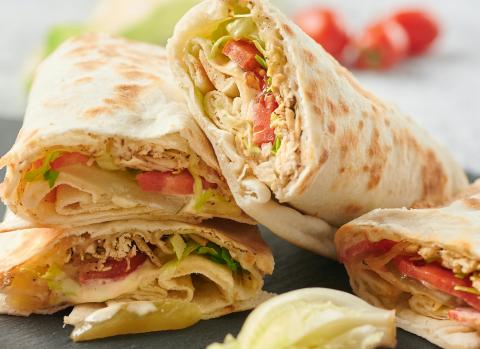
Chicken and Avocado Wraps
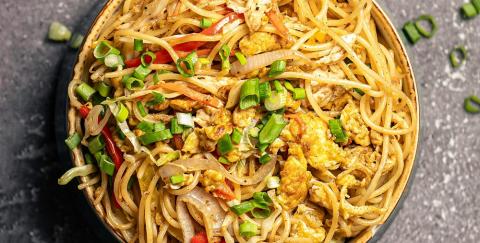
Chicken Noodle Salad
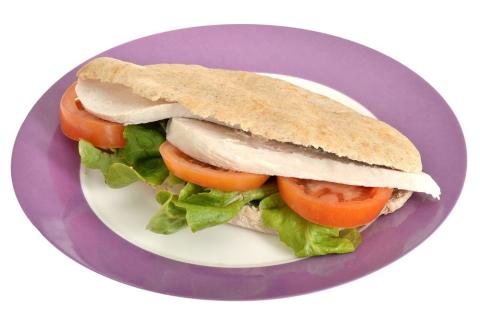
Chicken Salad Filled Pitta Pockets
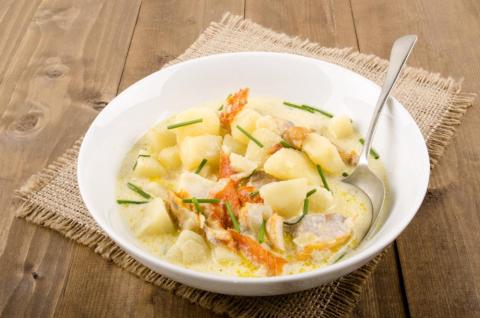
Cullen Skink
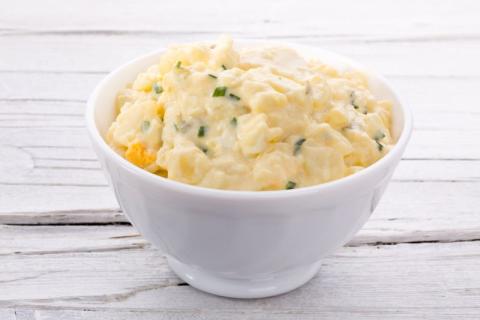
Egg Mayonnaise
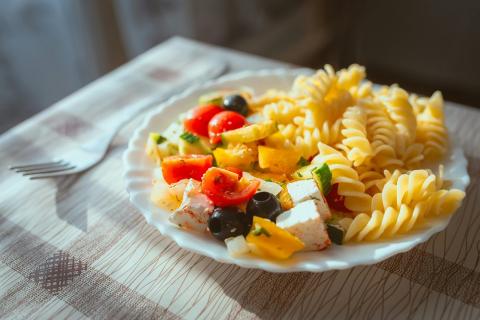
Feta and Chickpea Pasta Salad
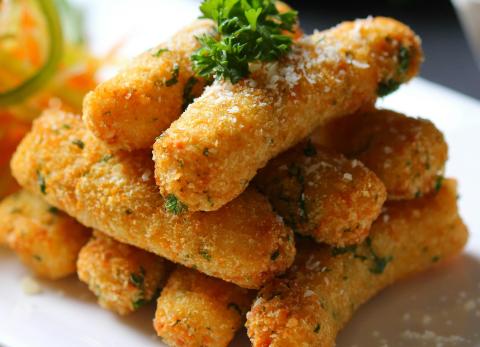
Fish Finger Sandwich
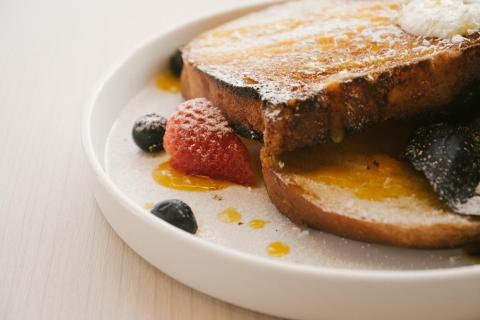
French Toast with Fruit
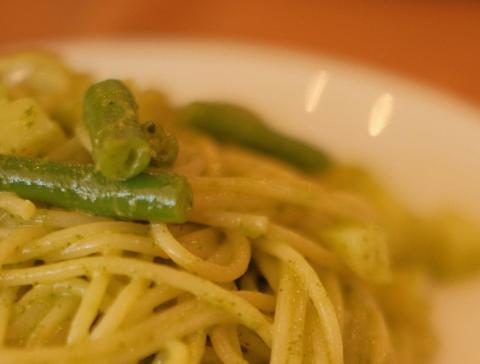
Garlicky Green Veg Pasta
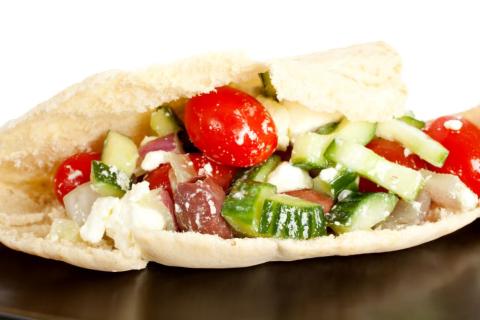
Greek Salad Pitta Sandwich
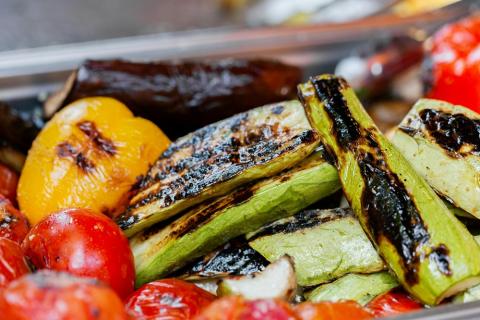
Grilled Summer Salad with Yoghurt Dressing
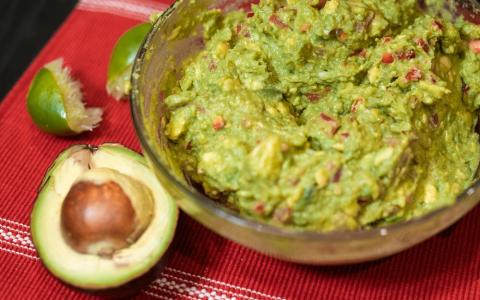
Guacamole and Vegetable Sticks
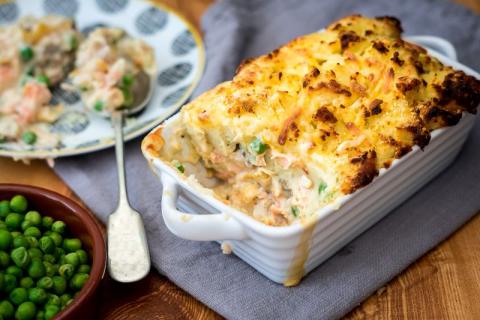
Haddock Bake
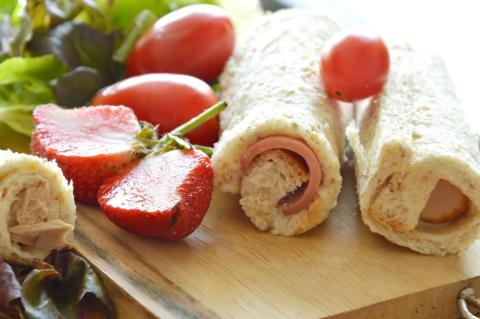
Ham Sushi Rolls
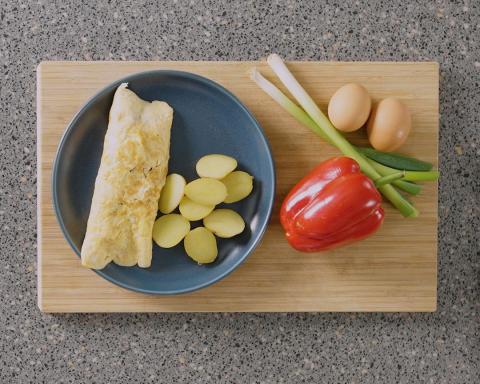
Ham, Onion and Pepper Omelette with New Potatoes
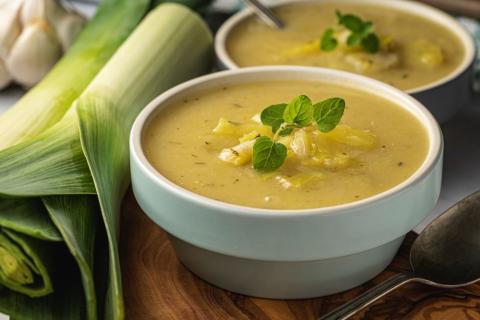
Leek and Potato Soup
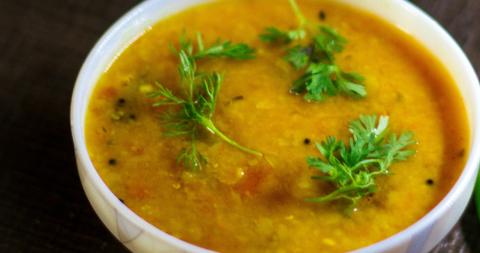
Lentil and Red Pepper Soup
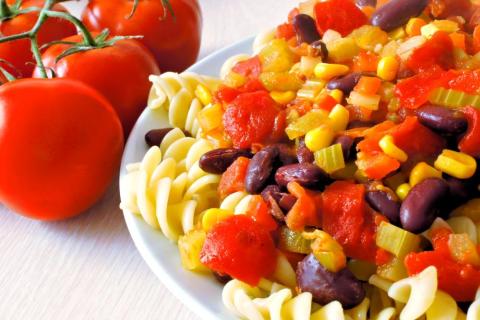
Lunchbox Pasta Salad
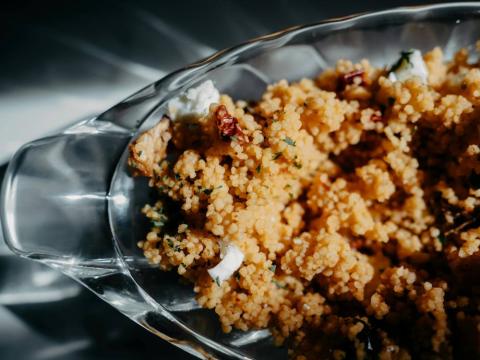
Mexican Couscous Salad
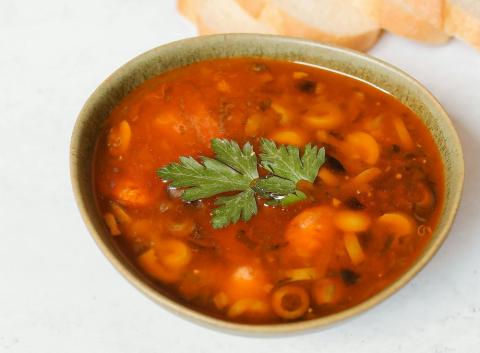
Minestrone Soup
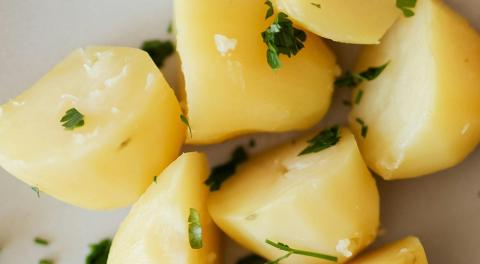
New Potato Salad
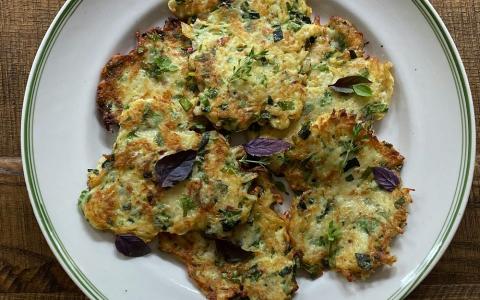
Pea and Sweetcorn Fritters
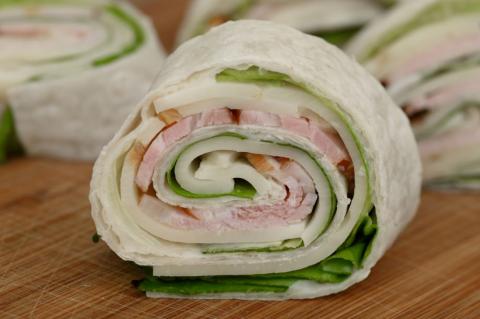
Pinwheel Bites
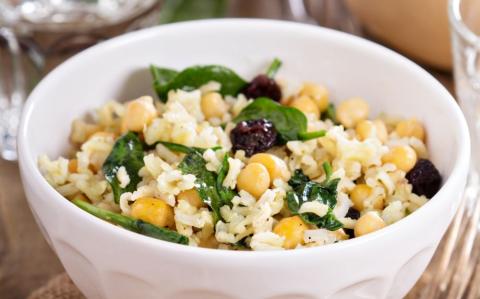
Rice Salad
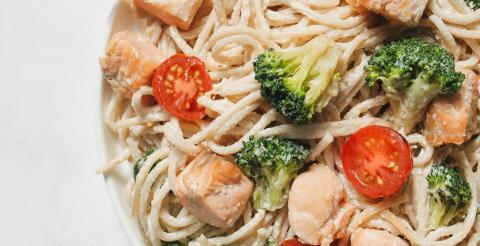
Salmon and Broccoli with Noodles
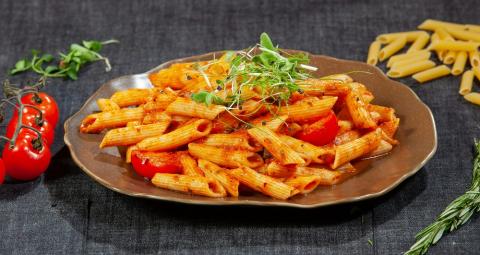
Salmon Pasta Salad
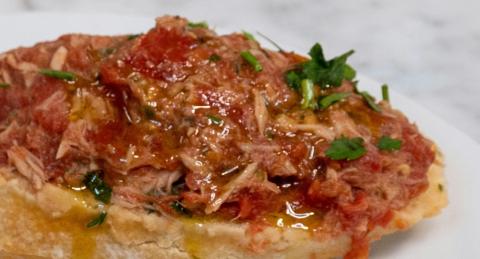
Sardines on Toast
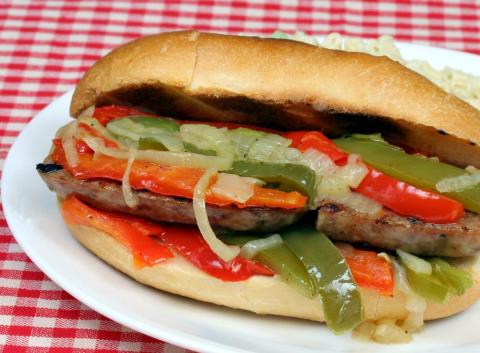
Sausage Sandwich
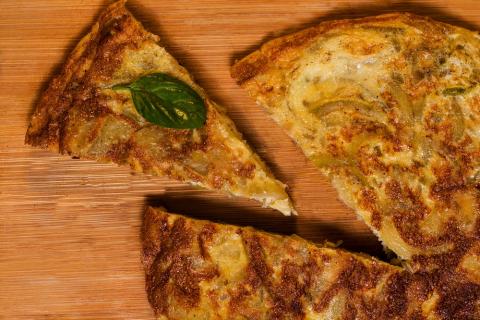
Spanish Omelette
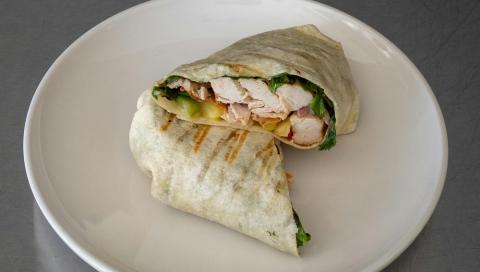
Speedy Chicken Wraps
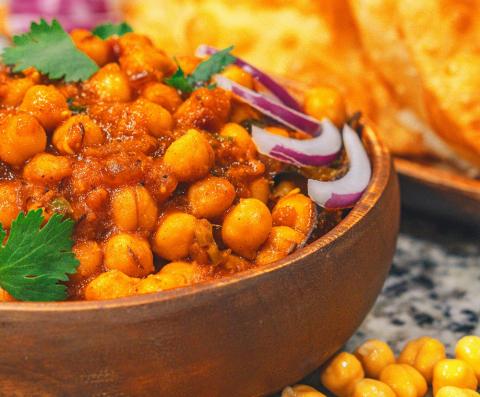
Spicy Chickpea and Tomato Stew with Crusty Bread
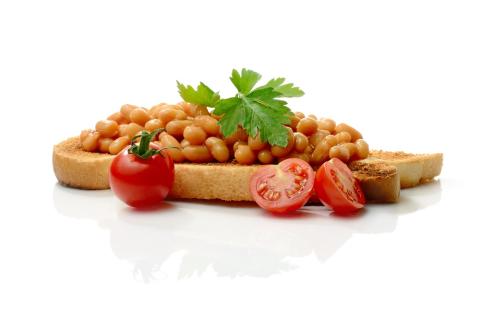
Baked Beans and Tomatoes on Toast
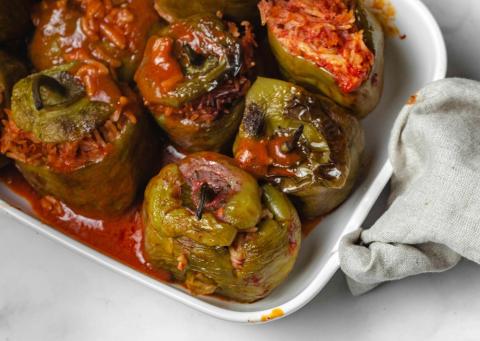
Stuffed Vegetables
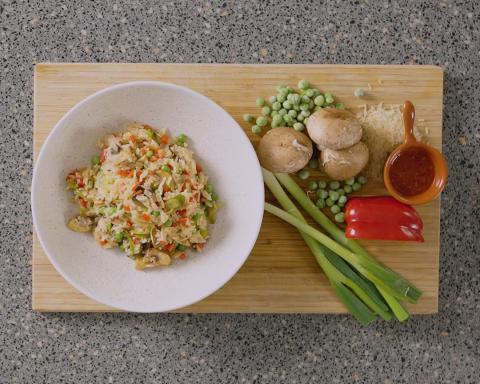
Sweet Chilli Vegetable Fried Rice
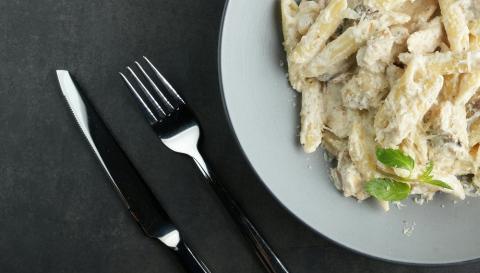
Tasty Trout Pasta
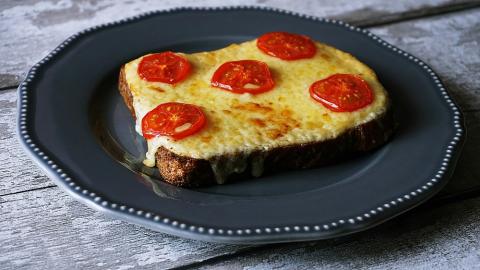
Toasted Cheese and Tomato
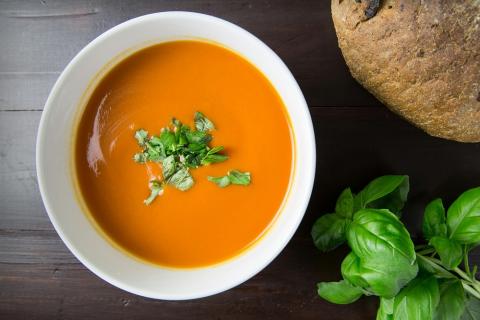
Tomato Soup
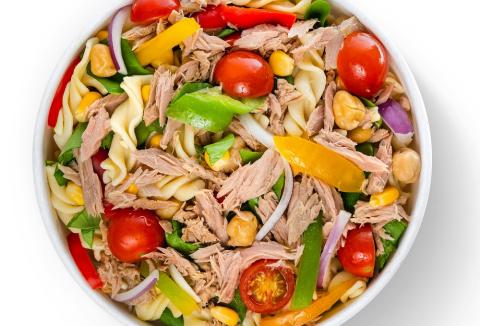
Tuna Pasta Salad
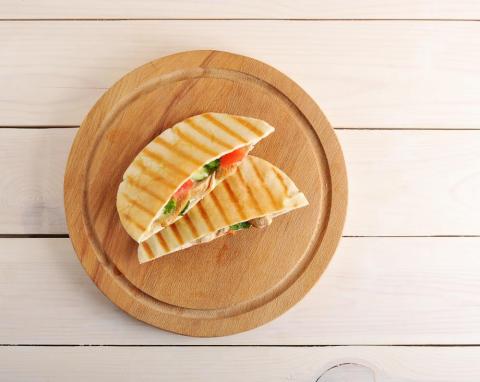
Turkey and Pepper Pittas
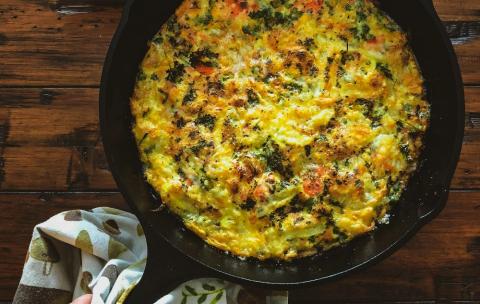
Veg and Cheese Wedges
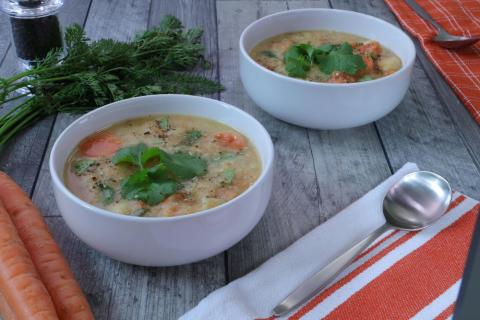
Vegetable Broth
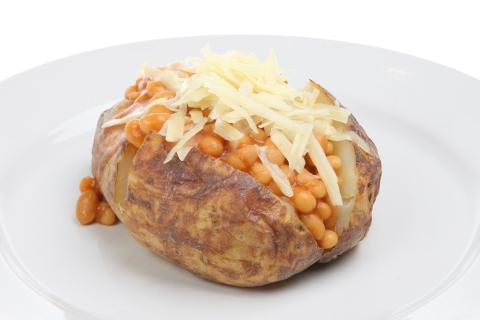
Baked Potato with Beans and Cheese