 Activities & Play
 Behaviour
 Childcare
 Children's rights
 Development & Growing Up
 Family, Friends & Relationships
 Feeding Your Baby
 Food & Eating
 Health & Safety
 Mental Health & Wellbeing
 Money & Work
 Online Behaviour & Safety
 Pregnancy & First Days
 School & Education
 Sleep
Sleep

Jump to a section in this article
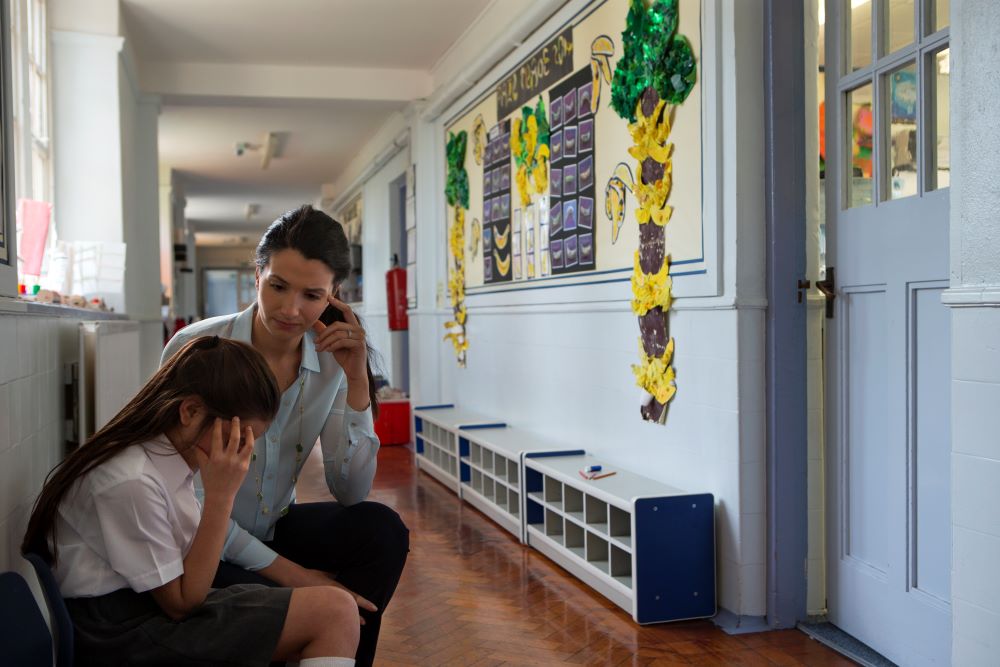
If your child is having difficulties with behaviour at school, you might be feeling exhausted, worried or even judged by other parents and teachers. If this is the case, you’re not alone. Many children go through challenging phases – it doesn’t mean you’re a bad parent. And with the right support, their behaviour can improve.
This page explains what you can do to help your child, and what support you should expect from the school.
What to do if the school has contacted you about your child’s behaviour
Tip #1: Take a breath
If you’ve had a call or message from the school you may be feeling stressed, upset, angry, embarrassed or defensive. But try not to react immediately. You don't need to have all the answers straightaway.
Tip #2: Get the facts
You can ask the school:
- What exactly happened?
- Is my child safe? Are other children safe?
- What have they done so far to help?
- What happens next?
- When can we meet to talk about this properly?
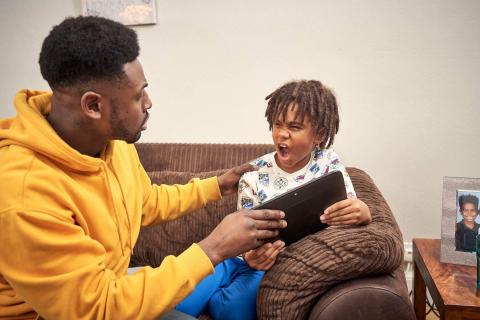
Tip #3: Talk to your child
Wait until you've both calmed down, then ask them what happened from their point of view. Try to listen without judging – there might be things going on that you (and the school) don't know about yet.
Our pages on encouraging your child to talk to you and talking and listening to your teen have tips for these conversations.
Understanding what's happening
When children act up or misbehave, there’s often a reason behind it.
For example, at school they may be:
- finding the work too hard or too easy
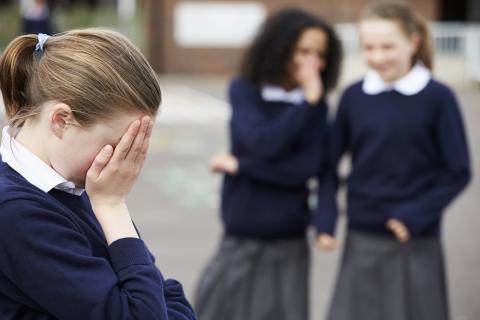
- being bullied or having friendship problems
- feeling overwhelmed by noise, crowds, or sensory issues
- not understanding what's expected of them.
Or they may be:
- struggling with their emotions or mental health
- not getting enough sleep
- worrying about things they can't control.
It’s not just up to you to find out why your child is behaving this way. The school should also be trying to work out what's causing their behaviour, so they can help to address it.
What the school should do
If your child is struggling with their behaviour, you’re not alone. The school has a responsibility to work with you and your child to put things right. Here’s what they should do:
Understand why your child is behaving the way they are
The school should try to understand what's causing your child’s behaviour. This can include:
- talking to them to get their side of the story
- meeting with you and your child to talk things through
- sometimes they might suggest meeting with other specialists, like an educational psychologist.
Support your child
The school should then help your child with any issues that are causing their behaviour. This could include:
- helping them understand how their behaviour affects others
- reminding them of school values and expectations, and why these are important
- helping them manage their emotions
- extra help with subjects they're struggling with
- a quieter space to work if they're overwhelmed
- speaking to the school counsellor
- action to stop bullying, if that's happening
- support from specialists like an educational psychologist
- changing their timetable temporarily
The school should review the plans they put in place regularly to see what is helping and what isn’t.
Keep you informed
The school will want your help in reinforcing why the behaviour is inappropriate and should work with you to support your child. This could involve meeting with you to gather your views, working with you to develop a plan and updating you on what’s happening.
Be fair
No child is the same and children all need different kinds of support to meet their individual needs. This means there might be different responses or consequences, even for similar behaviour. This isn't favouritism, it's about giving each child what they need to succeed.
Support the whole school community
The school needs to make sure every child is safe, that pupils can learn, and that staff can work safely.
Have clear policies
Every school should have a policy on relationships and behaviour on their website that explains their approach. Schools use different names for this policy so if you can't find it, you can ask them for a copy. Our page on behaviour in school explains more about this.
Get further support if necessary
Depending on the situation, the school may bring in other people or organisations to help, like an educational psychologist, school nurse, youth worker or other people working with your family.
- Our section on school attendance has lots more information about what schools can do to help pupils who are skipping school or struggling to go in.
- Our page on additional support for learning explains more about what schools should do to help children who are need extra support.
- Our page on bullying at school has more information about what schools should do if pupils are being bullied.
What if the behaviour doesn't improve?
If your child’s behaviour doesn’t get better, the school may consider what other action they can take, for example, developing a wellbeing or education plan, doing a risk assessment or involving other services. The schools should ask for your input before doing this.
What if my child has additional support needs?
If your child needs extra help with their learning, they have a right to get the support they need from the school. There are lots of reasons why children and young people may need support, for example, they could be upset due to a bereavement or family issue and need some additional support for a limited time. They don’t need to have a diagnosed condition.
Some children struggle at school because they have additional support needs that aren’t being met. For example, they may have dyslexia or ADHD that hasn’t been identified yet. Or there may be support in place, but it’s not right for them. If you think this may be the case with your child, it’s important to get in touch with the school as soon as possible.
The Enquire website has lots of information about additional support for learning. It explains how to get extra support for your child and what to do if you’re not happy with the support they’re receiving.
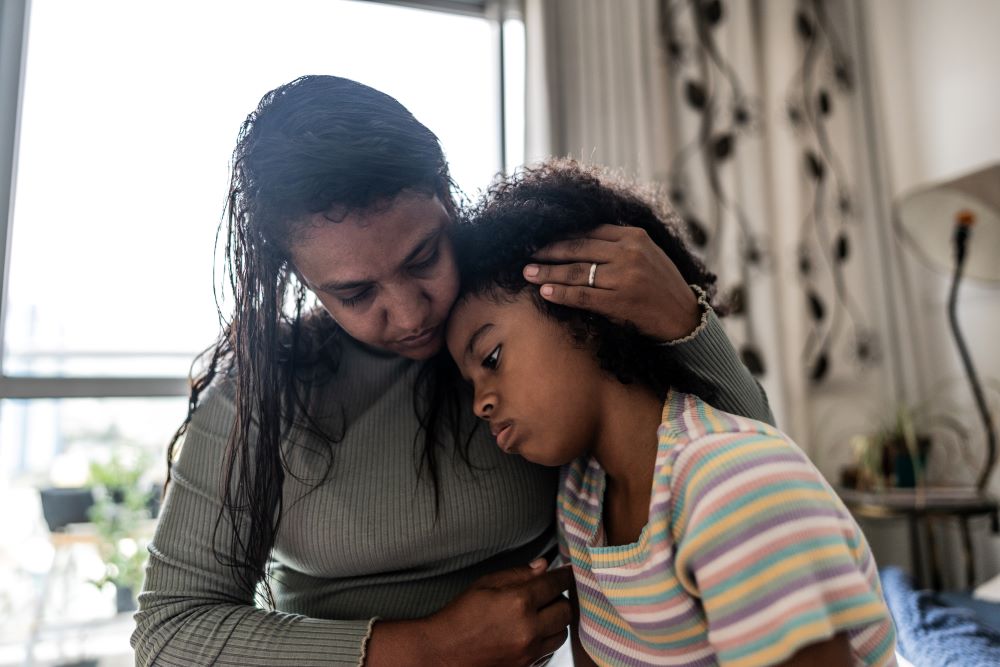
Tips for supporting your child if they’re struggling with behaviour
Tip #1: Talk to the school
We know this can feel difficult, especially if you didn't enjoy school yourself or feel like you're being blamed. But the school should want to work with you to make things better.
If meetings feel overwhelming you can:
- bring a friend or family member with you for support
- ask for information to be sent in writing so you can think about it beforehand
- always ask questions if you don't understand something.
Tip #2: Help your child understand their feelings
Children sometimes act out because they can't cope with how they're feeling. So helping them understand their emotions can help them manage their behaviour better.
For younger children:
- You could try using colours, emojis or an emotion wheel to help them identify their feelings.
- Our page on helping children deal with worries has more tips for supporting your child to deal with their emotions, and you can also find suggestions on the CBeebies Parenting website.
For older children and teens:
- Our page on helping teens develop resilience has tips to support them to cope with the ups and downs of their emotions and the situations they may find themselves in.
- Childline have lots of information to help children and young people deal with different emotions.
Tip #3: Help them deal with anger
Your child may feel angry or frustrated about their situation. Maybe getting angry is the reason they’ve in trouble at school.
- Childline have some good tips for young people to help them control anger and redirect it, for example, by punching a pillow or burning off energy through exercise.
- YoungMinds have some helpful advice on supporting teens to cope with anger.
Tip #4: Focus on what they do well
When things are difficult, it's easy to forget your child's good qualities. So it’s good to remind them (and yourself) of these. Our pages on helping children grow up to be confident and helping young people build self-esteem have more ideas.
Tip #5: Try not to label them
Calling your child 'naughty' or a 'troublemaker' can make things worse. Instead, talk about the specific behaviour: "Shouting at your teacher wasn't okay. What could you do differently next time?"
Tip #6: Talk about the difference between home and school
Some things that are fine at home (like being loud, running around or backchat) aren't appropriate at school where there are lots of children. Help them understand why rules might be different in different places and why their behaviour in school is disruptive.
Tip #7: Look after yourself
Dealing with this kind of situation is stressful. Make sure you have someone to talk to, whether that's a friend, family member, or a support service. Our page on mental health advice for parents can guide you to sources of support and your child’s school should also be able to suggest sources of support for you.
Help with different issues
If any of the following issues arise, you can find further advice and information on Parent Club here:
- School attendance – if your child is refusing to go to school or skipping school
- Bullying at school – if your child is being bullied or bullying others.
- Problems with friends – our pages on problems with friends when children are younger and teen friendships have more advice
- Additional support for learning – if your child needs extra help at school
- Vaping, smoking, alcohol or drugs
- Anxiety – our pages on helping children deal with worries and helping teens with anxiety have tips to help
- Sleep.
What if things don't get better?
If your child's behaviour isn't improving, or you're worried there might be something else going on, you should speak to the school about what else could be tried. This could be things like:
- creating a specific support plan for your child
- assessing whether your child has additional support needs
- involving specialists like an educational psychologist, or referring to services such as the school counsellor or youth workers
You can also speak to your GP if you're concerned about your child's mental or physical health. Our pages on supporting your child’s mental health and supporting your teen’s mental health have more information and advice.
Will my child be excluded?
Exclusion is only used as a last resort. Our page on exclusion has more information.
What if I don't agree with the way the school is handling this?
You have the right to discuss your concerns with the school. If you’re not happy with the way the school handles the situation, you may decide to make a formal complaint. The school should have a complaints process, or you can write to the headteacher.
If this still doesn’t solve the problem, you may wish to take your complaint further with your local authority. You can find out more about this on your local authority website.


 Mental Health & Wellbeing
 Family, Friends & Relationships