 Activities & Play
 Behaviour
 Childcare
 Children's rights
 Development & Growing Up
 Family, Friends & Relationships
 Feeding Your Baby
 Food & Eating
 Health & Safety
 Mental Health & Wellbeing
 Money & Work
 Online Behaviour & Safety
 Pregnancy & First Days
 School & Education
 Sleep
Sleep

Jump to a section in this article

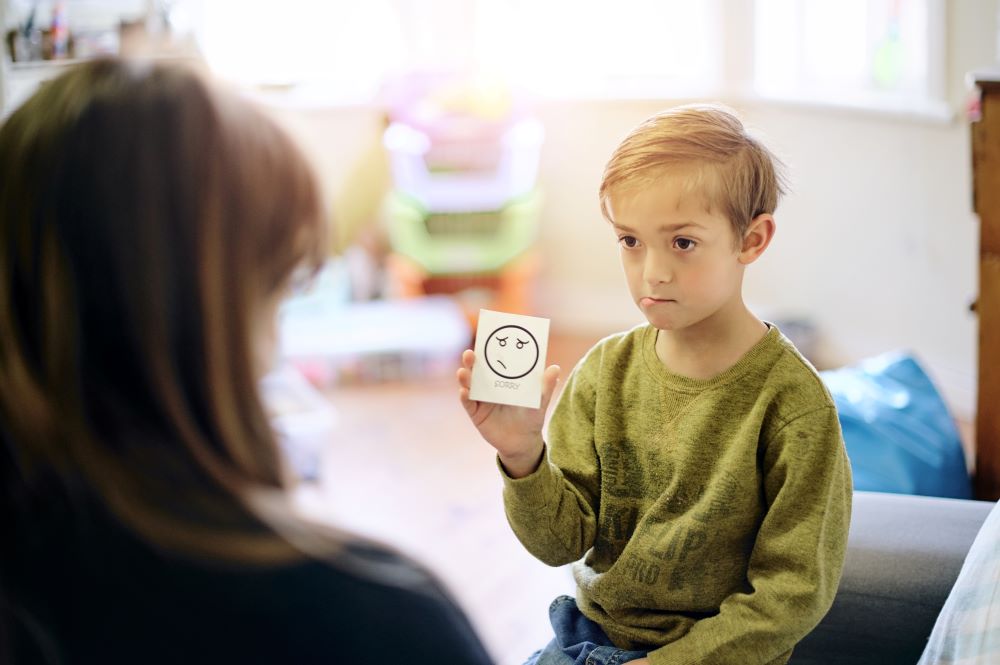
All kids can struggle to work out what they’re feeling and why. Neurodivergent people can experience ‘interoception differences’, which mean that they don’t notice and pick up on internal sensations of feelings, or things like hunger and tiredness. This means that feeling words (like ‘happy’, ‘sad’ or ‘angry’) might not really make sense to them. Research suggests that neurodivergent children connect much more with talking about energy levels. Here are some books you may find helpful to read together to help your child manage their energy levels.
Books about body sensations, interoception and energy levels
All children experience their bodies in different ways. These books are not about changing your child. They’re about helping children notice, understand and trust their own body signals so they can feel more comfortable, communicate their needs and take part in everyday activities.
Early years (approximately age 3–7)
Body Detective! by Janet Krauthamer
Age: 3–7
A playful, interactive book that helps children notice what their body is telling them (for example, hungry, cold or tired). It introduces body signals in a simple way, without pressure, and is great to read together.
Every Body Talks by Grace Choi
Age: 4–8
This book offers a gentle explanation of how the body sends messages and how we can listen to them. It supports children to talk about sensations and builds early understanding of the body–brain connection.
My Body Helps Me Know How I Feel
Age: 4–8
A simple, visual book showing how body sensations link to feelings and needs.
It supports communication and works well for children who benefit from visuals or structured support.
Middle childhood (approximately age 5–10)
Noticing My Body Signals by Kelly Mahler
Age: 5–10
This book combines a story with simple ‘experiments’ to help children explore body sensations. It encourages curiosity and noticing, rather than expecting children to get things ‘right’.
My Body’s Power Pack by Sandhya Menon
Age: 5–10
A story that explains energy levels and why children sometimes feel overwhelmed or drained. It introduces the idea of energy in a child-friendly way and offers gentle, practical ideas for coping.
Older children (approximately age 7–12)
Interoception: How I Feel by Cara Koscinski
Age: 7–12
This book offers a clear explanation of how body signals relate to everyday experiences such as hunger, movement and emotions. It links body sensations to actions (for example, eating, resting or moving) and includes practical ideas for everyday life.
Interoception Activity Adventures by Cara Koscinski
Age: 6–12
This collection of play-based activities explores body sensations and regulation.
It builds skills gradually through activities children can do with an adult.
Useful for parents and carers supporting children
The Big Book of Interoception Games by Kelly Mahler
A large collection of practical, straightforward games and activities, suitable for approximately age 4 and above, to help children notice and understand body signals.
Energy: The Framework, Tools and Strategies to Support Regulation by Laurent and Fede
This resource explains regulation using the idea of ‘energy levels’ rather than behaviour. It helps adults understand how a child’s energy may or may not match a situation, and how to support them in a neuro‑affirming way.
Choosing a starting point
- If your child is just beginning to learn about body awareness, start with Body Detective! or Every Body Talks.
- If your child finds it hard to notice internal signals, Noticing My Body Signals can be helpful.
- If energy, overwhelm or fatigue are more relevant, My Body’s Power Pack is a good starting point.
- If you’re looking for activities to use together, Interoception Activity Adventures or The Big Book of Interoception Games are useful.
Other resources
You can find lots of tools to help your child manage their energy levels on the Autism Level UP! website.





 Mental Health & Wellbeing
 Family, Friends & Relationships