 Activities & Play
 Behaviour
 Childcare
 Children's rights
 Development & Growing Up
 Family, Friends & Relationships
 Feeding Your Baby
 Food & Eating
 Health & Safety
 Mental Health & Wellbeing
 Money & Work
 Online Behaviour & Safety
 Pregnancy & First Days
 School & Education
 Sleep
Sleep

Jump to a section in this article
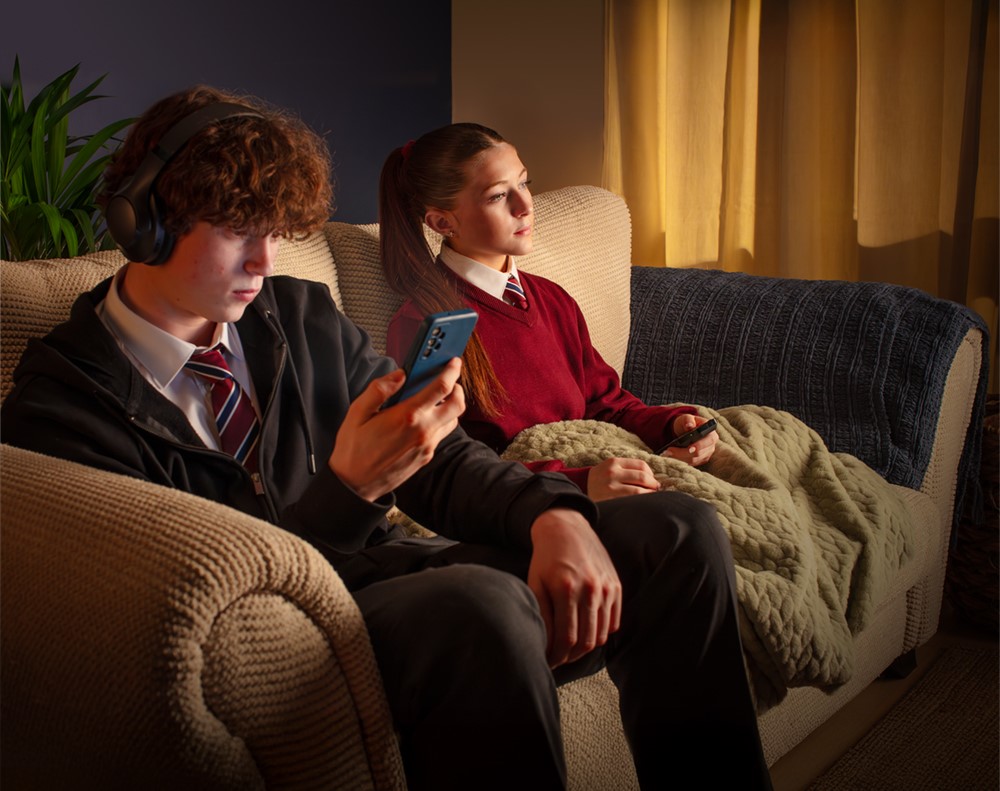
For many young people, the internet offers a world of opportunity – to connect, learn and play. Often, this comes at a time when they’re searching for that sense of identity and belonging. But the internet is not without its dangers. One of these is the way boys and young men are regularly shown online content that is dismissive of, unkind or hateful towards girls and women. They don’t have to go looking for this kind of content – it can often be promoted to them because of their age and because they’re boys.
Sexist and misogynistic content is never harmless and hurts girls and women, both online and in real life, which is why it’s really important to talk to your children about it, so both boys and girls understand how damaging it is and what they can do if they encounter it.
What is misogyny?
Misogyny means treating girls and women as inferior to boys and men, with fewer rights and freedoms. It can show up in various ways, including:
- discrimination against women and girls in life, education, employment and access to services, restricting their choices and opportunities in life. For example, this could be a girl being discouraged from studying science at school because it’s a ‘boy’s subject’, or a woman being overlooked for promotion in a male-dominated workplace.
- putting women down or being hostile towards them
- women being seen as objects with a specific role, like keeping house or looking pretty, rather than fully rounded human beings
- violence against women, including domestic abuse and sexual violence, including threats
- dismissal of women's opinions, experiences or achievements by ignoring them, trivialising them or mocking them.
Sexism means treating someone unfairly just because they're a boy or a girl. It often happens when people think boys are better at things than girls, even when this isn’t true.
What is misogynistic content?
Misogynistic content belittles, demeans or is hateful towards women.
You may not always immediately recognise misogynistic content or the individuals who create and promote it. For example, it’s often disguised as advice on fitness, financial success, relationships and wellbeing.
Online influencers can exploit young people’s concerns and insecurities, promising seemingly appealing solutions to their problems. But these solutions can carry hidden risks to their relationships and health, as well as to wider society.
This type of material is often designed to provoke anger or resentment in boys and young men towards girls and women. It tends to rely on a set of repeated messages and talking points and is often highly emotional in tone. For example:
- It can suggest that girls and women are to blame for boys’ or men’s problems, or that equality has ‘gone too far’.
- It may claim that boys are being treated unfairly in society, or that girls and women have advantages that boys do not.
- Some content portrays girls and women as manipulative, untrustworthy, overly emotional, or responsible for men’s loneliness or lack of success.
- Other messages suggest that men are owed attention or relationships, and that women who do not provide this are at fault.
Young men and boys may not even realise that the content they’re seeing has misogynistic messages within in it. But the attitudes underlying this kind of content can have a big impact on their beliefs and behaviours.
What is the 'manosphere'?
You may have heard of ‘incels’ and the ‘manosphere’. ‘Incel’ is short for ‘involuntarily celibate’. It’s a name used by men and boys who feel rejected by women, and who use online forums to discuss misogynistic and violent ideas. The so-called ‘manosphere’ is a network of communities of men who blame women for problems in society. They promote misogynistic views and encourage resentment or hatred towards girls and women. You can find out more about incels and the manosphere on the Internet Matters website.
Misogynistic content isn’t only found on ‘manosphere’ anti-women websites. The talking points, views, and harmful messages created in these online spaces have increasingly entered mainstream social media platforms that many children and young people use. This means that this content can now be found in social media posts, online videos, gaming live streams, influencer content and discussion forums. It can be anything from cartoons, memes, banter or jokes to posts encouraging men to hurt or attack women.

How do young people come across misogynistic content online?
When we’re online, the more we engage with a certain type of content, the more we see it. This is how social media algorithms work.
Algorithms are sets of programming designed to keep us engaged for as long as possible by encouraging continuous scrolling, viewing and interaction with posts.
They're programmed to show us content we’re likely to watch or engage with. Sometimes this is based on our previous activity. So for example if we like a video of a cute panda we’ll quickly see more pandas in our feed. But sometimes it’s based on data collected about us, such as our age, location and gender, rather than our personality or interests. This is why young girls are often shown content around make up and beauty, while older women see posts about the menopause.
Sadly, even if they’re looking for something else (like content around fitness, sport or gaming) boys and young men are often shown misogynistic memes, videos and posts. This is because the algorithms are programmed to show this kind of content to drive engagement. If they do anything to engage with this content (even if they comment that they don’t like it or watch it without commenting), they’ll be shown more of it, which can become increasingly harmful, extreme and one-sided This is why it’s so important not to engage with this kind of content.
Why is it important to talk to your child about misogyny?
“It’s just a joke!”
All sexist content can have a negative impact, including content that could be seen by some as jokes or banter. Because the more sexist and misogynistic content young people are exposed to, the more vulnerable they become to accepting these beliefs and attitudes as ‘normal’. And this can have a harmful effect.
Damaging self-esteem
Girls can come to see this treatment as part of everyday life, which damages their self-esteem. Gradually, they can learn to expect to be disrespected and treated as inferior.
Boys’ self-esteem can also be harmed if they feel they don’t fit traditional male stereotypes, for example, if they feel they’re not macho or tough enough.
Harming relationships
Misogynistic content can affect relationships between boys and girls, for example, if boys start believing that girls should do what they tell them, or girls start feeling they don’t deserve to be respected.
Limiting life choices
It can also limit the choices girls make, at school, at work and in their daily lives. For example:
- Girls may avoid studying ‘boy’s’ subjects at school like science to avoid standing out.
- If girls expect to be put down or experience harassment in male-dominated workplaces, they’re more likely to stick to roles that are traditionally seen as ‘women’s work’, which are often lower paid.
- Research shows that 86% of girls aged 11-21 have avoided going out after dark to stay safe.
Leading to harassment, violence and abuse
When children grow up believing that women are less deserving of respect than men, this can lead to harassment, abuse and violence against girls and women.
In addition, sexist or misogynistic content often sits alongside other harmful online content, like content that targets people because of their faith, race, disability, or because they are LGBT+.
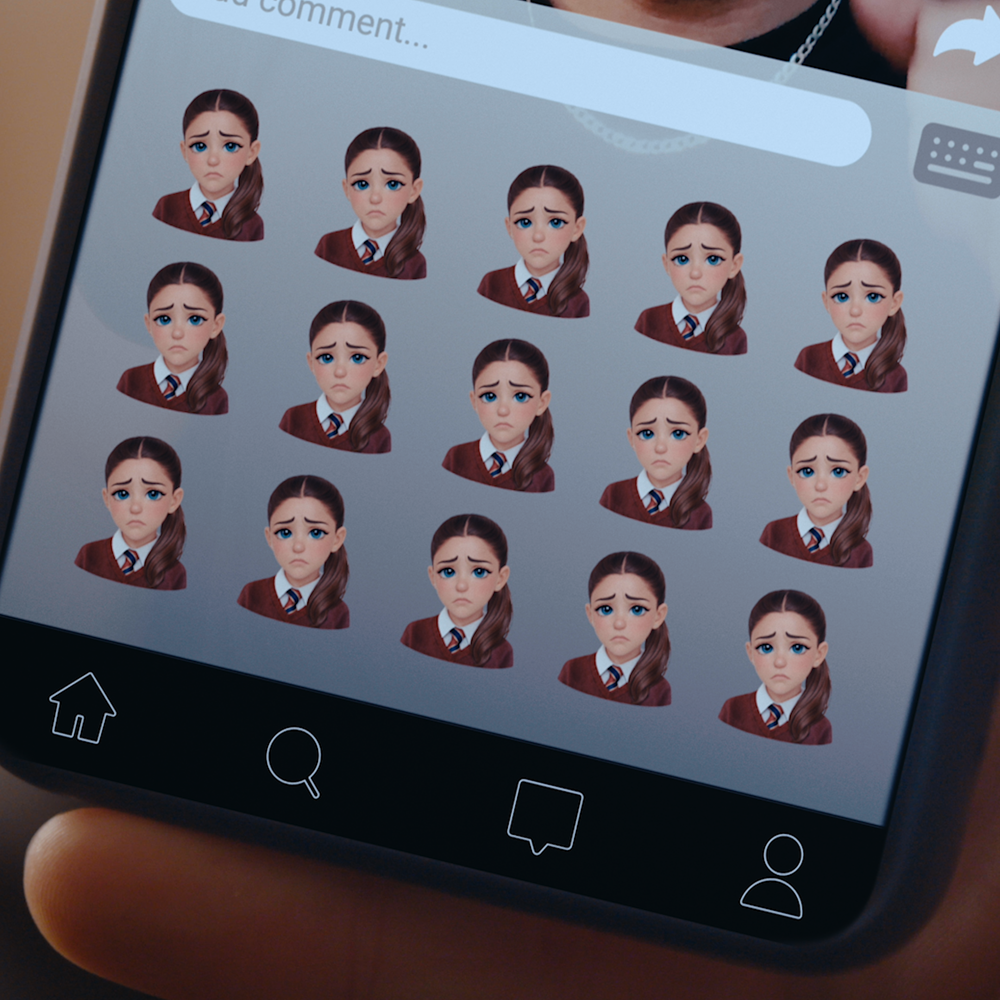
How can I help stop misogynistic content spreading?
The more people engage with misogynistic content, the more social media algorithms are likely to promote it and the more people it will reach. And this encourages the people creating it to make more.
As exposure to this type of content grows, it can begin to feel normal or acceptable, even though it's harmful.
Even commenting to disagree with a post or reacting with an ‘angry face’ emoji counts as engagement. This can lead algorithms to promote the content further. The most effective way to stop the spread of misogynistic content is to refuse to engage with it altogether. By encouraging young people to choose not to like, share or comment, you can help limit its visibility and reduce its spread.
Can I report misogynistic content?
Most social media, video and gaming platforms have ways of reporting unacceptable or harmful content. You can find out how to report issues to different platforms Internet Matters website and on Safer.scot.
Our page on what to do if your child has a negative experience online explains how to report abusive images, including what to do if sexual images are shared without consent.

Tips for talking to young people about misogyny
You may feel awkward talking to your child about this kind of content. You may feel you don’t know enough about it, and this can feel overwhelming. But sadly most children and young people will come across misogynistic content online. You are their safe space, so it’s important to speak to your child about this so that they’re prepared. You can encourage them to reflect on their own values, to think critically about the material they’re seeing and to talk to an adult about any content that they are concerned about.
Here we have some tips for talking to young people about this issue, along with some specific suggestions for talking to boys and to girls.
Tip #1: Don't force the issue
Give yourself and your child time and space to have this conversation. You could take advantage of ‘teachable moments’ to start things off – for example, if there are stories about misogyny or misogynistic influencers in the news or it comes up in a drama you watch together.
Tip #2: Try to keep calm
If they say things you don’t agree with, try not to get frustrated or angry. Instead, ask them why they said or think that, and then explain why it isn’t okay. They may not realise that online jokes or comments can hurt people in real life.
Encourage them to reflect on where these ideas comes from and how they don’t match up with reality, or their values.
Tip #3: Take an interest in what they do online
For children and young people, their online lives can be as real and important as what they do offline. So try to show the same interest in what they do and watch online as you would in their offline life. Ask them about the games they play, what they’re watching and who they’re chatting to and try and take part if you can.
Don’t be put off if they sometimes don’t want to talk about it – try again another time.
Tip #4: Talk about how what we see online can give us the wrong idea about men and women
It’s easy to think that children and young people are more savvy about social media than adults. But that doesn’t mean they know how it works behind the scenes, so it’s a good idea to help them understand this. So you could talk to them about how algorithms are designed to to keep us scrolling, and how social media doesn’t reflect real life, and can give us a false idea of what men and women ‘should’ be like.
It's also important to explain to your child that social media algorithms show boys and girls different kinds of content that aren’t based on their interest or personality, and that this can make them think that the whole world is seeing the same thing and can shape their idea of what they think is ‘normal’.
Our page on talking to your teen about sex has tips on talking to teens about porn, and how it can give people unrealistic expectations about sex, consent, body image and relationships between men and women.
Tip #5: Let them educate you
You could also let them educate you on the things they may know more about. For example, you could ask them about the kind of language or behaviour they see online. What are the comments like when a favourite singer or actor posts something? How are girls and boys treated in gaming forums?
Then you can ask what they think about the differences in treatment between boys and girls and men and women they see online, and encourage them to think about this more and become more critical.
Tip #6: Talk to them about gender stereotypes
Gender stereotypes are all around us – on TV, online, in shops and in our homes. But there are lots of ways you can challenge these fixed ideas of what girls and women and boys and men should be. Our page on helping to break down gender stereotypes has tips you can try.
Tip #7: Talk about the impact of misogynistic content
Some misogynistic content, like jokes, banter and memes, may seem quite harmless to your child. So it’s good to remind them that if we engage with this kind of content, we’re helping it spread. The more people see it, the more acceptable it becomes and the more extreme it can get. This can lead to discrimination, bullying, harassment, abuse and violence.
Tip #9: Help them to look critically at what they see online
Encourage them to question things they see online. Just because it’s online doesn’t make it true, and just because some people believe something, it doesn’t mean everyone does.
Our page on misinformation, disinformation and ‘fake news’ suggests things we can all do to become more savvy about what we read and watch online, and to help our children tell the difference between information, misinformation and disinformation.
Tip #10: Help them change what they see in their social media feeds
There are lots of simple things you and your child can do to make a fresh start with their social media, create positive feeds and discourage negative content:
- Unfollow or block accounts that share posts that belittle or mock others.
- Find positive, inclusive accounts to follow instead, and like their content to show the algorithm that this is what you want to see.
- Clear your watch and search history in video apps like YouTube.
- Use the app settings to change your content recommendations.
- Take a break – the less time you and your child spend online, the less the algorithm will know about you. We’ve got some tips to help you reduce your screen time here.
Our page on making the most of social media has lots of tips for talking to young people about social media and helping them curate a positive timeline that supports them instead of making them feel bad about themselves.
Tip #11: Encourage them to have a healthy balance between online and offline activities
Some people find the internet helpful for connecting with friends and communities, but it’s good for us all to have connections with people in person too. So try to encourage your child to have offline interests, like sport, drama, music, a youth group or just hanging out with pals. Being out and about with ‘real’ people may remind them that what they see online is often filtered, touched up and unrealistic.
Tip #12: Remind them to be kind
Being unkind or disrespectful to anyone, online or off, can be hurtful. So it’s a good idea to remind your child that, while they may not always agree with other people, being rude won’t make things better. If they’re upset or angry about something, you could talk to them about why they feel that way – this will give them a chance to calm down and think about what they want to do next. Or if you hear them being mean about others, or making fun of them, you could ask them why they think that, and encourage them to see things from all sides.
Tip #13: Remind them they can always come to you with any worries
It’s important to let your child know that they can always come to you if they’re upset by something they see online, or are worried that they’ve done something wrong. Let them know that you won’t be angry, and that you’re open to discuss with them what they think should happen to keep themselves safe online. This doesn’t necessarily mean taking their phone away – lots of children and young people don’t tell their parents if something goes wrong online because they’re worried they’ll lose access to their online world.
If they don’t want to talk to you they could talk to another trusted adult, like a family member or teacher, or someone at Childline.
Tips for talking to boys about misogyny
Tip #1: Talk about how boys and girls are treated online
Ask him if he’s noticed any differences in the way girls and boys are spoken to online. For example, you could ask him if he’s noticed boys being mean to girls in gaming forums, or if he’s seen jokes that he wouldn’t share with female friends. This can lead into a more general conversation about how men and women are treated differently online.
Tip #2: Focus on what he can do
Remind him that by choosing not to share, like and comment on misogynistic content, he’s helping to stop it.
Tip #3: Don't accuse or blame
As we’ve seen, social media algorithms show boys and girls different kinds of content. Boys are much more likely to be shown misogynistic content, and to keep seeing it even if they’re not actively looking for it. So if you notice your son looking at misogynistic content, don’t get cross or blame him. Instead, try chatting to him about what he thinks about it, and why it isn’t acceptable.
Likewise, if he says something sexist or uses misogynistic language, try to challenge him about where he heard it and why he feels that way.
Tip #4: Help him build his self-esteem
The ‘manosphere’ can seem more appealing to boys who don’t feel good about themselves. This could be related to body image, fitness, or relationships – all ordinary teenage anxieties. Online masculinity influencers tap into these normal concerns young men have about themselves and give them someone to blame (women) for things that have gone wrong in their lives. And they can offer a sense of belonging or purpose.
So it’s a good idea to encourage your son to boost his self-esteem in a positive way. This can include:
- helping him think about all his good qualities and who he is as a person
- helping him build his skills and capabilities
- helping him look after himself in a healthy way
- being interested in how he thinks and sees the world
- helping him build confidence in himself so that he doesn’t feel the need to put girls or anyone else down.
Our page on helping teens build self-esteem has more tips.
Tip #5: Let him know he can be whoever he wants to be
It’s important to help boys realise that they don’t need to be confined to a limited, old fashioned view of what a boy or man should be or do.
You could talk about how there’s nothing wrong with showing or expressing his feelings – it makes you stronger, not weaker. And you could explain that there’s nothing wrong with wanting to be strong, or brave or successful. But these aren’t the only things to aim for. There are lots of other things they can be too, like kind, creative, funny, resilient – the list is endless! And it isn’t just men who can be strong, brave or successful. These are human qualities, they’re not limited to men.
Encourage the young men and boys in your life to think about when they are the most happy and feel the most ‘themselves’.
Tip #6: Explain how online actions have impact in real life
Sometimes kids can like something mean or make a rude comment without thinking that they’re upsetting a real person. Ask him to think about how he’d feel if someone said something horrible to him, his friends or someone in his family in real life.
Tip #7: Help him stand up to peer pressure
It’s natural for children and young people to want to fit in with their friends, and sometimes this can lead them to say or do things they don’t really want to. Our page on peer pressure and unhealthy teen friendships can help with this. You could also watch the video ‘Armour’ together on the Beyond Equality website.
Brook also has helpful advice for boys and young men on challenging gender stereotypes and harmful ideas about masculinity.
Tips for talking to girls about misogyny
Tip #1: Keep checking in
According to research, 3 in 4 girls aged 11–16 have seen or experienced sexism in real life. There’s so much of it that girls can start to believe that seeing sexist or harmful content is ‘normal’. Keep reminding them it isn’t, and that they have a right to be treated with respect.
Tip #2: Tell her to trust her feelings
Let your daughter know that if she feels uncomfortable about something, she should trust her feelings. She has a right to feel upset by content that puts her down, and should talk to you or another trusted adult about anything that doesn’t feel right.
Tip #3: Encourage her to be whoever she wants to be
Let your daughter know that she can be whoever she wants to be. She doesn’t need to change herself to fit gender stereotypes or conform to content she sees online.
Are there any signs that boys are being influenced by misogynistic content?
If you’re worried that your son may be being influenced by misogynistic content, here are some signs to look out for. These may include:
- becoming withdrawn or secretive about what he’s doing online
- spending more time online than usual
- developing an unhealthy fixation on body image, fitness, or financial success
- using language, terms or phrases you’ve not heard before (Internet Matters’ article on the manosphere has some terms to look out for)
- being dismissive, disrespectful or rude about girls and women
- talking about kindness and empathy as being ‘weak’
- expressing new or concerning views about women, society and minority groups
- joking about sexism, harassment or violence, or dismissing these as exaggerated and ‘not serious’
- isolating themselves from friends, particularly girls, or activities they previously enjoyed
- beginning to see people and society as divided into opposing ‘us versus them’ sides, particularly in relation to women or minority groups.
If you notice any of these signs, it’s a good idea to have a chat with your son about what he’s watching or doing online. You can use the tips above to help. Try to stay calm and to have a discussion rather than an argument. Help him question what he’s reading or watching, and talk about why it’s not okay.
Help and support
If you feel you need some help having these conversations, you may find the following resources useful:
- The learning pack from the Many Good Men project can help you get a discussion going.
- This video and report from Movember also provides a good starting point for discussing the issues, and includes a downloadable toolkit for talking to boys and young men about online influencers.
- Children and young people learn about gender stereotypes, equality, respect and healthy relationships in school, so it may also help to look at the Relationships Sexual Health and Parenthood (RSHP) resource and Parentzone websites to find out more about what they’re learning.
It can be upsetting to think your child may be influenced by misogynistic content, and if you need to speak to someone, you’re not alone. There are many people and organisations out there who can help you.
- If you’re worried about your son’s attitude to girls and women, sex or consent, our page on harmful sexual behaviour has more advice and can guide you to sources of further support.
- If you or your child has had a negative experience online, like seeing upsetting content or having photos shared without your consent, this page links to sources of support.
- If your child has experienced gender based violence at school, you can find help and support on the Equally Safe At School website.
Young people concerned about sexual behaviour can find anonymous advice and a safe space to share their worries at Shore.




 Online Behaviour & Safety
 Mental Health & Wellbeing