 Activities & Play
 Behaviour
 Childcare
 Children's rights
 Development & Growing Up
 Family, Friends & Relationships
 Feeding Your Baby
 Food & Eating
 Health & Safety
 Mental Health & Wellbeing
 Money & Work
 Online Behaviour & Safety
 Pregnancy & First Days
 School & Education
 Sleep
Sleep

Jump to a section in this article
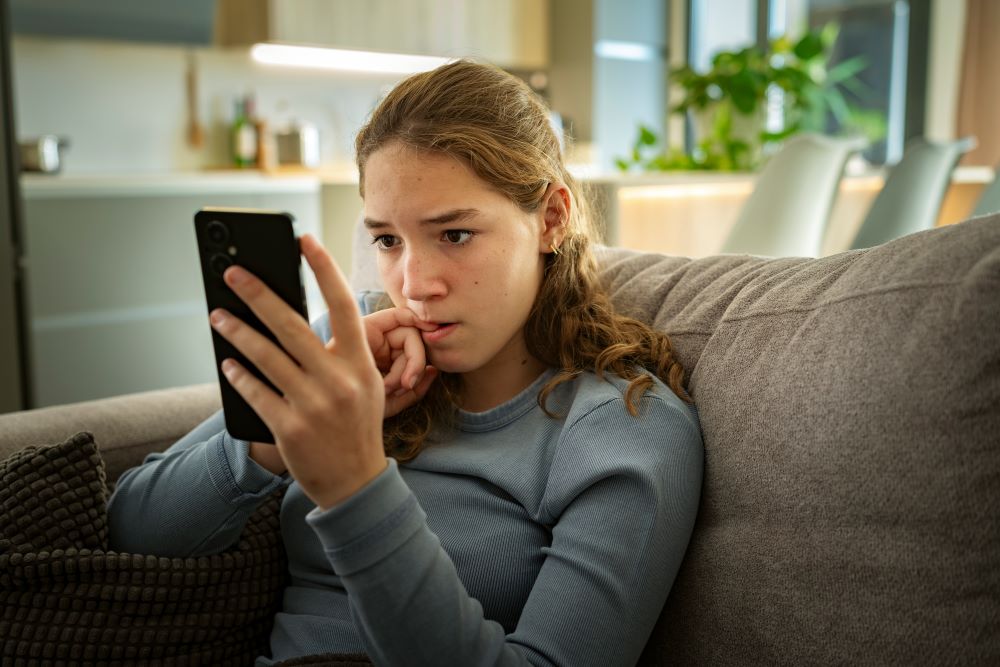
With so much information online, it can sometimes be hard to work out what’s true and what’s not. And it’s even harder for children, who tend to be more trusting than adults. But ‘fake news’ can be harmful if people believe it and it leads them to mistreat others, spread online hate or do dangerous or illegal things.
The good news is, there are things we can all do to become more savvy about what we read and watch online, and to help our children tell the difference between information, misinformation and disinformation.
What is misinformation, disinformation, malinformation and ‘fake news’?
Misinformation is false or untrue information that people share believing it’s true. One way to remember that this is ‘misinformation’ is because people are sharing it by mistake.
Disinformation is untrue information (‘fake news’) that people share knowing that it’s false, so it’s more dishonest.
Disinformation can include:
- communications deliberately intended to deceive people, like phishing emails, scams, social media hoaxes and catfishing (pretending to be another person)
- information designed to convince people to believe a particular viewpoint, like denying that climate change is happening
- information that aims to provoke fear or hatred of certain groups or communities, like misogynistic or racist content
- things like jokes, parody and satire, which are meant to be funny, but can sometimes backfire if people believe they’re true.
You may also have heard about malinformation, This is information which is based on fact but has been maliciously removed from its original context in order to mislead, manipulate or do harm. For example, if someone downloaded a photo of a celebrity holding a dog then posted it saying that person had stolen the dog, the photo would be real, but the context would be false.
Altogether, mis-, dis- and malinformation are referred to as ‘information disorder’.
Why is mis- and disinformation harmful for children?
There are various different ways this kind of content can hurt children:
- They may be tricked into sending scammers money or intimate images (you can find out more about scams and sextortion here).
- They may see upsetting, frightening or violent content, or content that attacks them directly (for example, racist or transphobic content).
- They might be persuaded into harmful behaviours like disordered eating or self-harm.
- They may be influenced by content that promotes misogyny, racism, homophobia or other forms of hate. This could lead them to mistreat other people online and in their daily lives, and could even lead to radicalisation and extremism.
Unfortunately, the more children and young people interact with a certain type of content online, the more of it they’ll see. You’ve probably noticed this yourself – if you like a video of a cute panda, you’ll see endless pandas for weeks. But this also means that if, for example, a young person watches a video that belittles women or encourages a dangerous diet, the social media channel will see they’ve engaged with it and show them similar, or even more extreme, content.
Because of this, it’s important to talk to your child about mis- and disinformation, to help them learn how to look at content critically and make up their own minds about it.
Tips for talking to children and young people about mis- and disinformation
Tip #1: Remind them that things online aren’t necessarily true
Children are generally less suspicious than adults, and it can seem a shame to burst their trusting bubble. But sadly they need to know that the things they see and read online may not be true.
Misinformation and disinformation can often look really convincing, especially since AI has made it so easy to write text, produce or alter images and even videos. For example, you might see an online advert for a product that looks genuine, but is a scam. Or a photo or video of a famous person that looks real, but has been generated or changed digitally.
You can find some good examples to look at together on the BBC Bitesize website – can you spot the fake?
Tip #2: Show them how to play detective
You can also show your child how to work out whether a news article, image, video or social media post is real. Here are some things you can try together:
- Look at the website the story or video is on to see if it seems trustworthy (for example, if it’s on the BBC website, a government website or a trusted newspaper website). If the url seems odd (for example, www.bbcnuz12345.com) it may not be a real news site.
- Do a search to see if you can find the same information anywhere else. You could also do a search for the author of the article, to see if they’re a real person.
- If the story is about a famous person, check their social media channels to see what they’re saying.
- Use a fact checking website like BBC Verify or Google’s Fact Check Tool to see if the information is true.
- Use a reverse image search tool like TinEye to see where else an image appears. You can find out more about how to check if images are real on the BBC Bitesize website.
Tip #3: Always read the full story
Lots of people share links to news stories without even clicking through to the full article. Headlines can be misleading, especially ‘clickbait’ headlines – ‘You won’t believe what this person has done now!’ Images can also be misleading, especially when you don’t have the full story.
Tip #4: Play games that help you understand more
Find the Fake is a fun way for you and your child to learn more about disinformation and misinformation and how to stop it from spreading. There are 3 quizzes to try, depending on your child’s age and stage.
The online game Harmony Square is a fun way for your child to understand the disinformation techniques that trolls use to make people angry or sad, by having them pretend to be a troll themselves.
Tip #6: Encourage them to look at different points of view
The more you engage with a certain type of content, the more of it you’ll see. This is how social media algorithms work, because they want us to stay on their sites, looking at more stuff. But this can mean that we then only see things that we like and agree with, which can reinforce, rightly or wrongly, the way we think.
Here’s an example you could talk about with your child. If we prefer cats to dogs, and like a few videos about how cats are better than dogs, soon we’ll see lots more about why cats are superior, and we’ll start to think that everyone thinks cats are better. Then maybe we’ll start avoiding dogs in the street, or even posting about why we don’t like dogs.
Or maybe we don’t really have an opinion about cats or dogs, but we happen to click on a video about why dogs are better than cats and watch it to the end. Next thing we know we’re being shown lots of content about why dogs are superior, and we start thinking that they must be, and start being rude about cats online.
This is a silly example, but you can explain to your child how bad it would be if, for example, we were talking about men and women, or disabled people or people from different ethnic backgrounds.
You can then encourage your child to look at things from different points of view, so they don’t get stuck in an ‘echo chamber’ where only one opinion is expressed.
Tip #7: Remind them they can always talk to you
It’s important to let your child know that if they see anything online that confuses or upsets them, they can always come to you about it (or another trusted adult, like a family member or teacher). You can help them work out whether it’s real or not, and report it if necessary.
What should I do if I spot mis- or disinformation online?
Mis- and disinformation can spread quickly on social media because the algorithms can’t tell whether something’s true or not. They decide what to show us based on what they think we like, and what seems to be popular or getting a lot of attention.
So it’s best not to engage with the post by calling it out as fake, as this is only adding fuel to the fire. Instead, you can report it. This guide on the Internet Matters website explains how to report content on different platforms.
How does mis- and disinformation feed into online hate?
Hateful content targeting individuals, groups or communities can be spread by people sharing stories that they don’t realise are untrue (misinformation). These stories can then encourage people to think badly about other individuals, groups or communities, and, in some cases, harass, threaten or harm them.




 School & Education
 Mental Health & Wellbeing