 Activities & Play
 Behaviour
 Childcare
 Children's rights
 Development & Growing Up
 Family, Friends & Relationships
 Feeding Your Baby
 Food & Eating
 Health & Safety
 Mental Health & Wellbeing
 Money & Work
 Online Behaviour & Safety
 Pregnancy & First Days
 School & Education
 Sleep
Sleep

Jump to a section in this article

From the moment your baby is born, positively engaging with them is really important to help them feel happy and loved. It’s also crucial to how their little brains develop. Pulling funny faces and speaking to them in a tuneful voice isn’t just playing – it’s a vital way to help their minds grow and develop. Your attention is the best gift you can give your wee one. By playing or chatting with them, cuddling and comforting them, you’re supporting their development.
You've got this!
Having a baby or toddler in the house can make you feel pressure all the time. You’ll have to deal with sleepless nights, feeding and keeping them warm and comfortable. It can feel overwhelming. So it’s natural to feel you’re spending so much time dealing with practical things that there’s no time left for anything else.
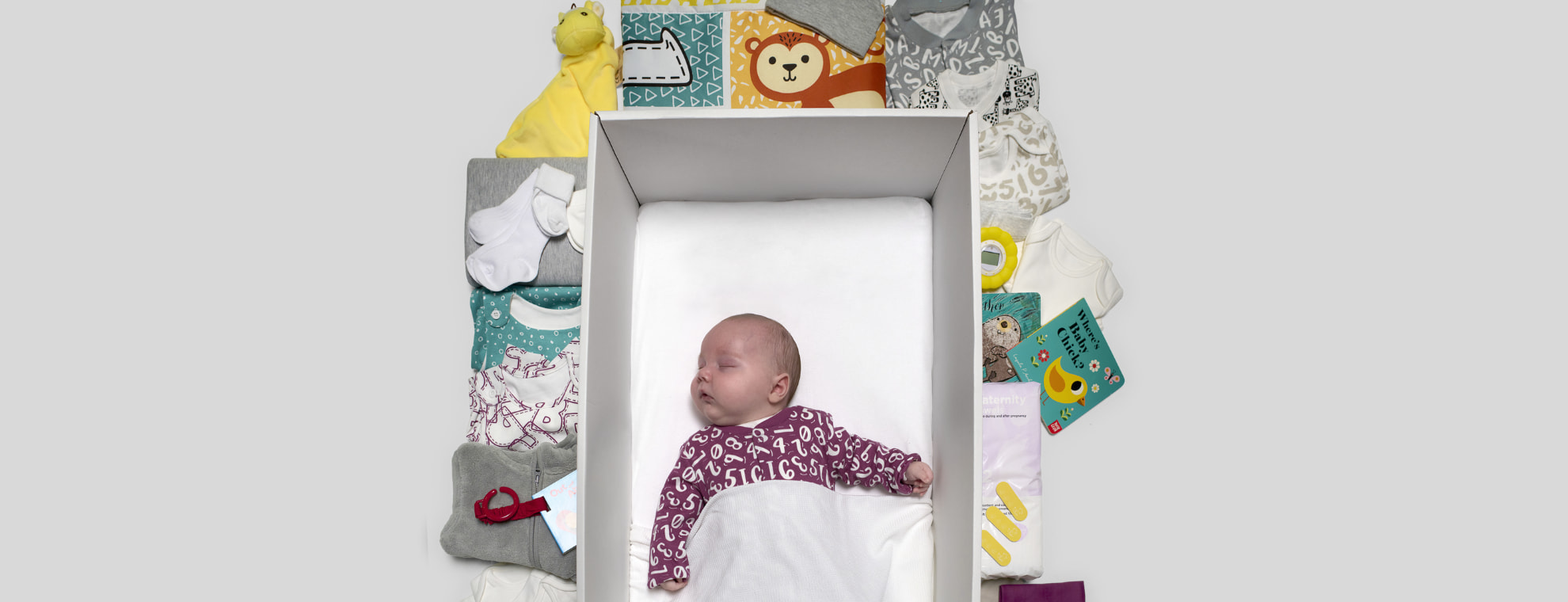
But the good news is, there are lots of simple things you can slip into your daily routine that will help you build a positive, loving relationship. We have lots of tips to help you give your wee one everything they need to grow and develop into happy people. And don’t forget that there are lots of items in your Baby Box that can help you connect with your baby.
Big benefits of interacting with your wee one
- Every interaction you have with your baby helps their brain develop. You can read more about how babies’ brains grow here.
- Every time you respond to your baby, they feel safe and loved. This supports their ability to soothe themselves and builds confidence and resilience. And the better they are at soothing themselves, the calmer they’ll be.
- The more attention you give them, the more you’ll understand their smiles, babbling and tears. This will make it easier for you to understand what they’re trying to tell you. And the more responsive you are to their needs, the more they’ll trust you.
- All these connections are laying the groundwork for learning to talk – it starts now, not when they’re one!
- Listening to your baby and responding to them helps them build the social skills they’ll need to make friends when they’re bigger.
What the professionals say
In this short video, Dr Suzanne Zeedyk explains why doing the little things together with your baby is so important.
“You can never give your baby too much attention. However, it's important that the attention you do give is tuned into their cues and signals. They sometimes feel stressed by too much stimulation and may want to turn away. Your attention is then a quiet soothing attention rather than a playful one. Even thinking about them while they're sleeping seems to help their wellbeing and development.”
In this video from Inspiring Scotland Dr Anne McFadyen talks more about how connecting with your wee one is so brilliant for their development.
You can find out more about the long term benefits of connecting with your wee one here.
Looking after yourself
It’s important not to put too much pressure on yourself. Some days are harder than others and don’t beat yourself up if you’re worried you haven’t given them the attention you think they need. Life is tricky enough at the best of times, with work, housework, other caring responsibilities and everything else you need to deal with. Just try and do your best. The more attention you can give them the better, and over time they will learn how to better cope themselves.
When you’re caring for a baby you may well feel that looking after yourself is the last thing on your list. But by taking time to make sure you’re okay, you can free up space to be with your wee one in a more relaxed frame of mind. Our section on wellbeing for new parents has lots of tips to help. If you’re not feeling yourself, remember you can always talk to your health visitor or GP.

How friends and family can help
Attention from friends and family is also important. Being connected to a wider group can also help underpin how safe and cared for your child feels. For older infants and toddlers, video calls with grandparents could help, and meeting up with aunts, uncles, cousins and friends will have benefits as well.
Joining a local group
If you don’t have family nearby, you could consider joining a local baby or toddler group or attending an event like a Bookbug session at your local library. You can find groups near you using the ALISS directory or you could ask your health visitor or check Facebook.




 Behaviour
 Sleep
Sleep